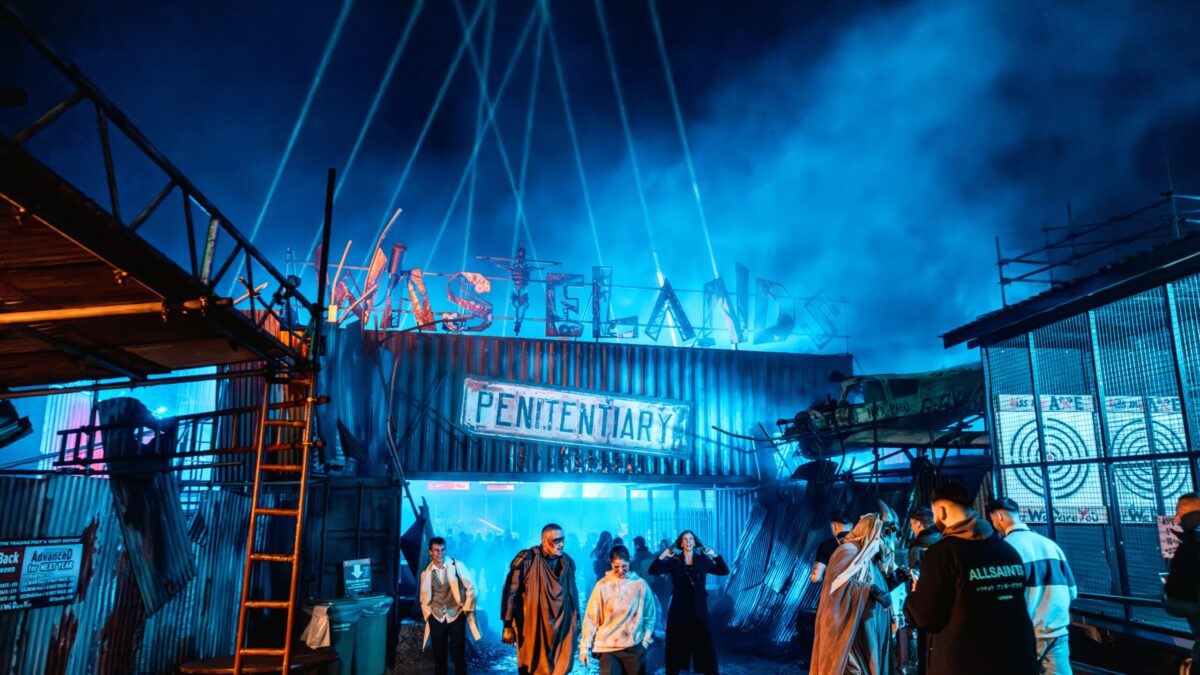
With Tulleys celebrating 30 years of scares at Shocktober Fest, we spoke to owner Stuart Beare on the challenges of setting up Europe’s largest Scream Park, the secrets behind the sets, and how a Gogglebox star became a collaborator.
Where did the idea for Shocktober Fest first come from?
Shocktober Fest really grew out of our move from traditional farming into creating experiences here at Tulleys. I joined the farm in 1991 and quickly realised that my passion was less about conventional farming and more about finding new reasons for people to visit and creating something memorable when they got here.
Halloween was still relatively undeveloped in the UK at the time, certainly compared with what was happening in America. We saw an opportunity to do something completely different.
In 1996, we started with one haunted house. It was a relatively simple idea compared with what we produce today, but people absolutely loved it. That gave us the confidence to keep building on it year after year.
Thirty years later, that single attraction has grown into Europe’s largest scream park, welcoming more than two million visitors over its history.
How has it evolved over three decades?
Almost beyond recognition.
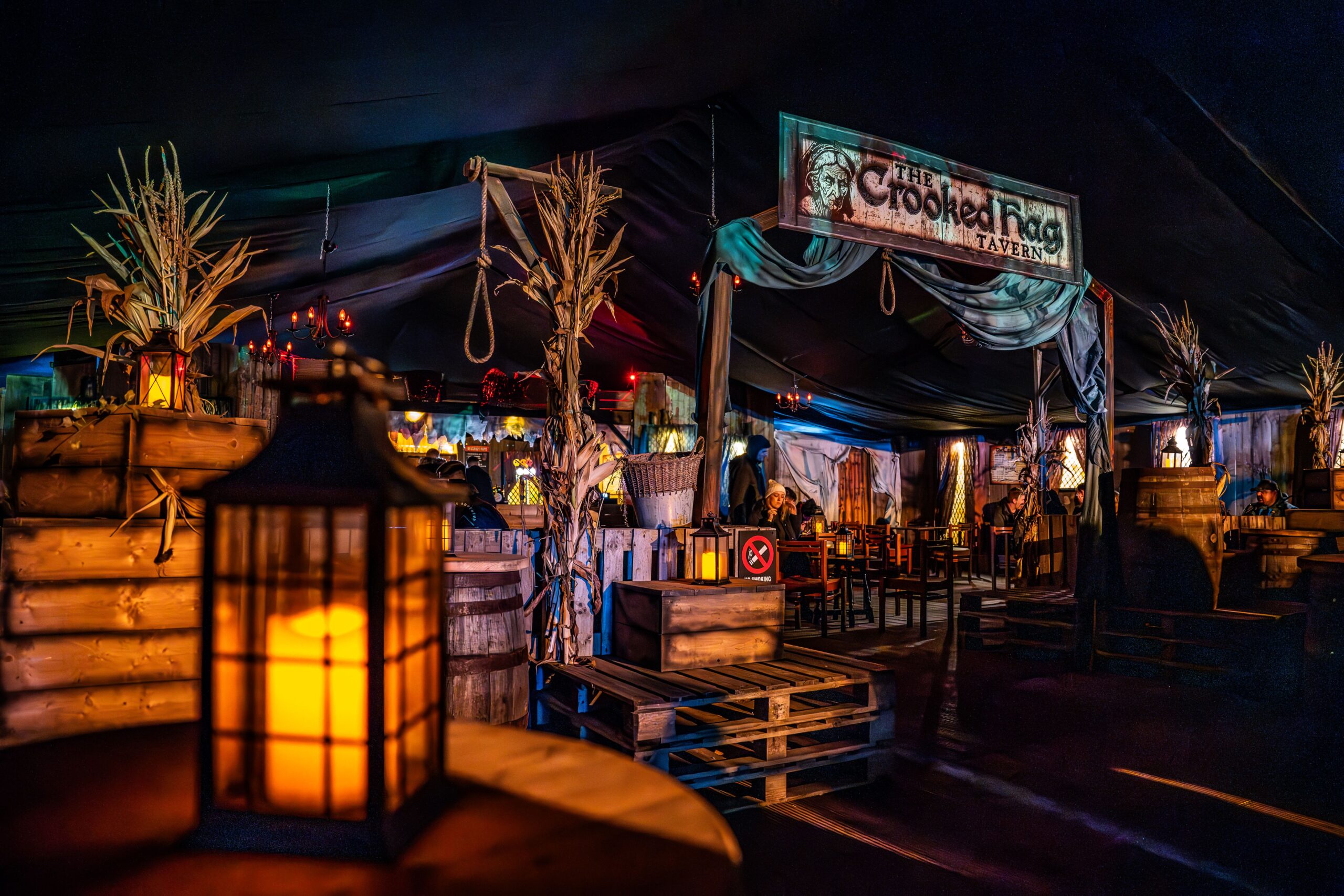
What began with one haunted house is now an entire evening experience. We have large-scale immersive haunts, live shows, street theatre, DJs, live music, food, bars and rides, with an enormous team working behind the scenes to bring it all together.
The biggest evolution has probably been in the level of detail and ambition. Guests expect to step into another world now. It isn’t enough to put actors in a dark building. We are creating complete environments with their own stories, characters, sets, sound, lighting and effects.
But we’ve always tried to retain what made it work in the first place. It should be fun, it should feel slightly unpredictable and, most importantly, it should be a brilliant night out with your friends.
Even after 30 years, we’re still pushing ourselves. For our anniversary we’ve created three new haunts
What has been the biggest challenge in setting up the event, this year and in previous years?
The scale is probably the biggest challenge.
People arrive in October and see the finished event, but the work behind it starts months before. You’re effectively building and operating a temporary entertainment destination on a working farm, with attractions, live entertainment, performers, food and drink, technical production and thousands of guests arriving every night.
The other challenge is our own expectations. After 30 years, you can’t simply reproduce what worked last year. We have a very loyal audience, and many people come back every October, so we’re constantly asking ourselves what we can change, improve or completely reinvent.
This year has been particularly ambitious because it’s our 30th anniversary. We didn’t want it simply to be a retrospective. We wanted to celebrate where we’ve come from while proving that we’re still prepared to take risks and create new things.
“The important thing is that it feels like Tulleys. We don’t want to follow what everybody else is doing.”
Where do you find inspiration for new attractions?
Everywhere.
We’ve travelled internationally for years, particularly to the US and Canada, looking at what’s happening within the attractions and entertainment industries. We’ve been making those trips since the late 1990s and they’ve definitely helped shape the way we think about experiences.
But inspiration can come from films, theatre, music, architecture, something we’ve seen while travelling or just a strange idea somebody brings into a meeting.
We don’t necessarily start by saying, “What would make a scary attraction?” Often we start with a world, a character or a story that we think would be interesting to explore and work out how to turn that into something guests can physically step inside.
The important thing is that it feels like Tulleys. We don’t want to follow what everybody else is doing.
Tell us more about the process of building ‘sets’. What does it involve, and how does it take shape?
It usually starts with an idea and then gets progressively bigger!
We begin with the concept and the story we want to tell. From there, our creative and build teams start working out how that world physically exists: what the guest sees, where they move, what they hear and where the scares and surprises happen.
Then you’ve got scenic construction, props, lighting, sound, special effects and eventually the actors themselves. All those layers have to work together.
One of the things we’re particularly proud of is how much is created by the team here. There’s an enormous amount of craftsmanship involved. Guests might spend only a few minutes walking through a particular section, but there can be months of design and construction behind it.
And it keeps evolving right up until opening. Once actors get into the space and we start running people through it, you suddenly see opportunities you couldn’t necessarily see
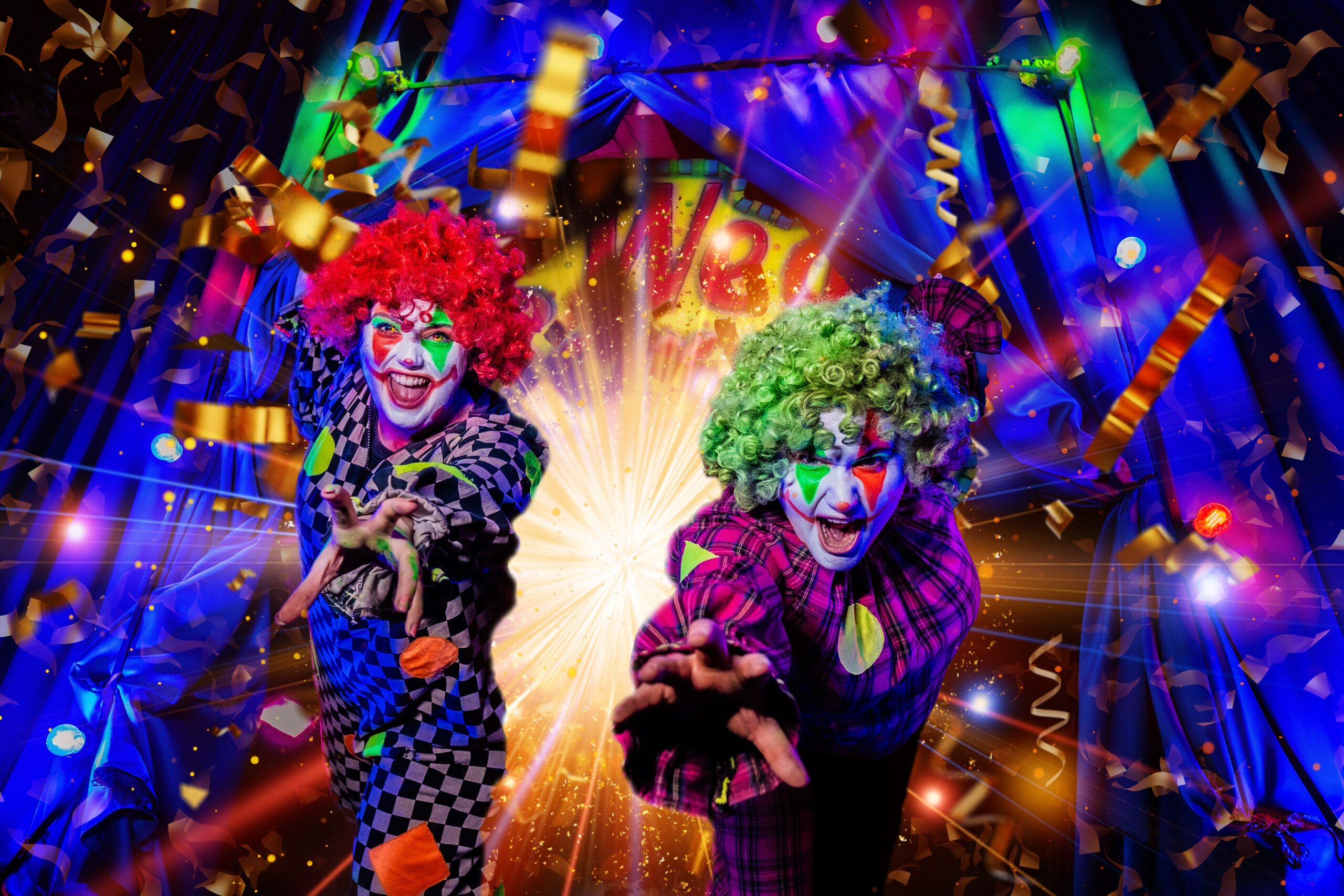
Scare actors are an integral part of Shocktober Fest. How do you train them to reach their full scare potential?
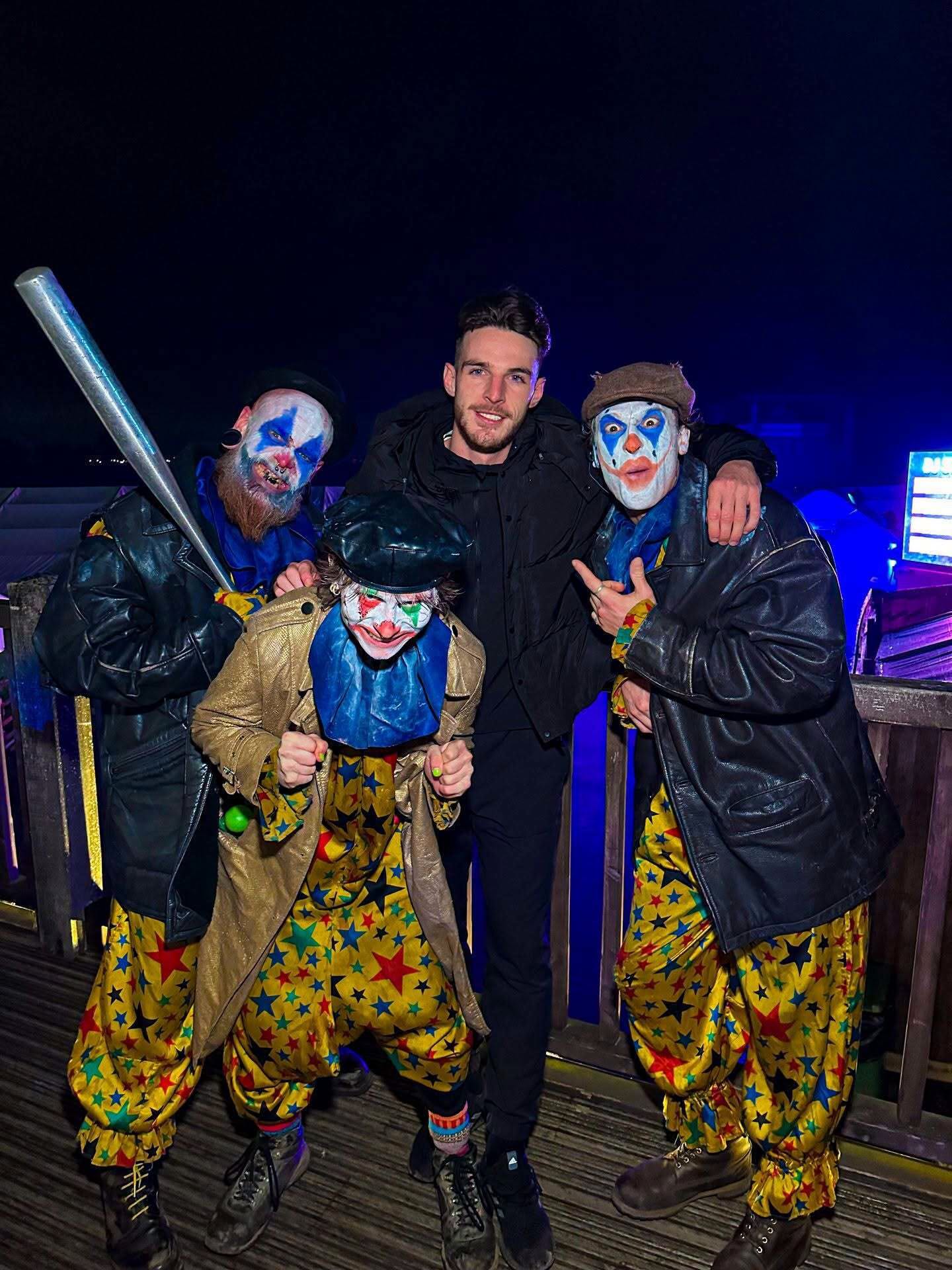
Our actors are absolutely fundamental to Shocktober Fest. You can build an incredible set, but ultimately it’s the performers who bring that environment to life.
Training isn’t simply teaching somebody to jump out and make someone scream. A really good scare actor learns timing, movement, character, how to read a group and how to adapt their performance.
Every group is different. Some people walk in terrified before anything has even happened, while others are determined that absolutely nothing is going to scare them. The actors learn how to read those reactions and work with them.
There’s also a huge amount of work around safety, boundaries and understanding the attraction they’re performing in. We want performers to have personality and freedom within their characters, but they’re working as part of a much bigger operation.
Some of our most memorable characters have developed because talented performers have really taken ownership of them.
This year marks a first-time collaboration with podcaster and Celebrity Gogglebox star Honey Ross. What was the journey to conceiving ‘Ross Records’ like, and are there any other exciting collaborations in the pipeline, for this event and for others?
Honey has been coming to Tulleys with her family for years and is a genuine horror fan, so this wasn’t a case of simply putting a celebrity name onto something we’d already created. There was a real connection with the event from the beginning.
Ross Records is a new retro record shop within Doomtown, and Honey worked with the team to develop the scene for our 30th anniversary. It was important that the collaboration felt properly integrated into the world rather than sitting outside it.
Collaborations are becoming an increasingly interesting part of what we do. We love working with people and brands when there’s an opportunity to create something guests wouldn’t normally expect to find at a scream park.
This year is a good example of that. Alongside Ross Records, House of Hades sees us working with the internationally renowned Fuel Girls on a completely new live production featuring fire, aerial artistry and high-energy performance.