Getting the garden ready for winter is more than clearing away the remnants of summer. It’s an opportunity to strengthen the landscape, support wildlife and set the stage for healthier growth in spring. By Stephen Peters
Recycle your prunings
Winter pruning produces a surprising amount of material, and instead of sending it off‑site, it can be transformed into a powerful ecological asset. A simple dead hedge – created by hammering upright stakes 30–40cm apart and filling the structure with prunings, leaves and dead wood – becomes a natural refuge for insects, fungi, small mammals and overwintering pollinators. As one conservation report notes, “The dead hedge then becomes a great location for insects to make their home… It’s a great way to recycle and reuse your green waste.” This low‑effort structure quietly supports biodiversity all winter long, and it makes your garden more sustainable.
Mulch now for healthier soil later
Applying organic mulch in late autumn or early winter helps protect roots from frost, suppresses weeds and slowly enriches the soil. Leaf mould, shredded prunings and compost all break down into humus‑rich material that improves structure and moisture retention. Good soil management now means stronger, more resilient plants when growth returns.
Leave selected herbaceous plants uncut
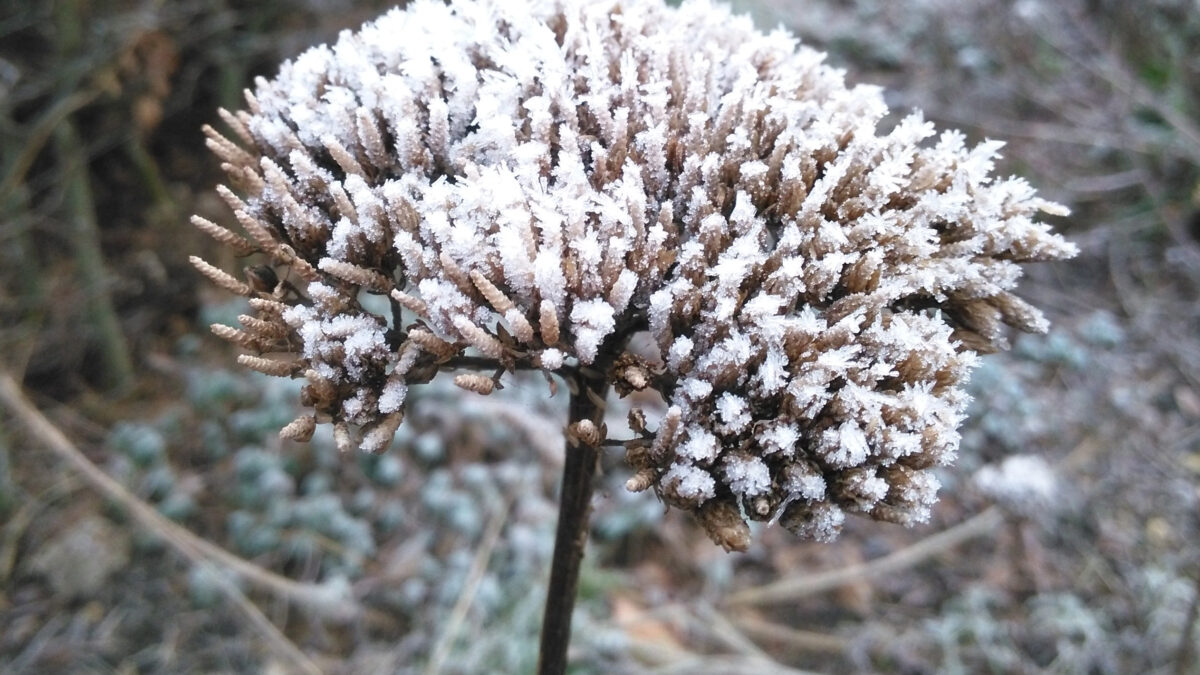
Not every plant needs tidying. Leaving certain herbaceous perennials standing provides valuable winter habitat for insects and adds unexpected beauty to the garden. Seed heads, stems and spent flower spikes catch frost and low winter light in striking ways. Achillea filipendulina flower head (pictured at the top), dusted with frost, is a perfect example of decorative winter gardening; a simple plant left uncut becomes a sculptural feature and a sheltering structure for wildlife.
Protect young trees and structural plantings
Winter storms can stress newly planted trees. Firm stakes, check ties, and add mulch around bases to stabilise and insulate. A little attention now prevents damage and supports long‑term establishment.
Thoughtful winter preparation doesn’t require grand gestures, just a gardener’s eye for the tasks that matter. These overlooked jobs help the garden rest well, ready to flourish again in spring.
Stephen is the Assistant Head Gardener at Leonardslee Lakes & Gardens, having spent more than forty years working in horticulture, beginning as a young gardener and growing into a career centred on heritage landscapes, plant conservation, and the craft of sustainable horticulture.