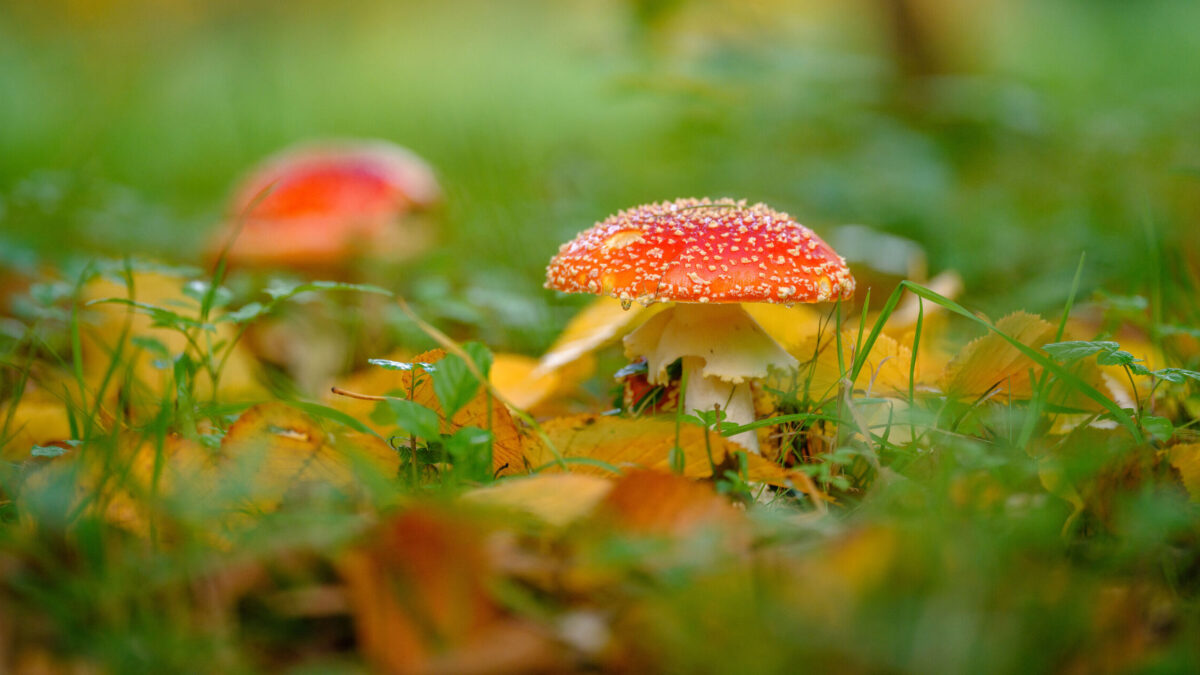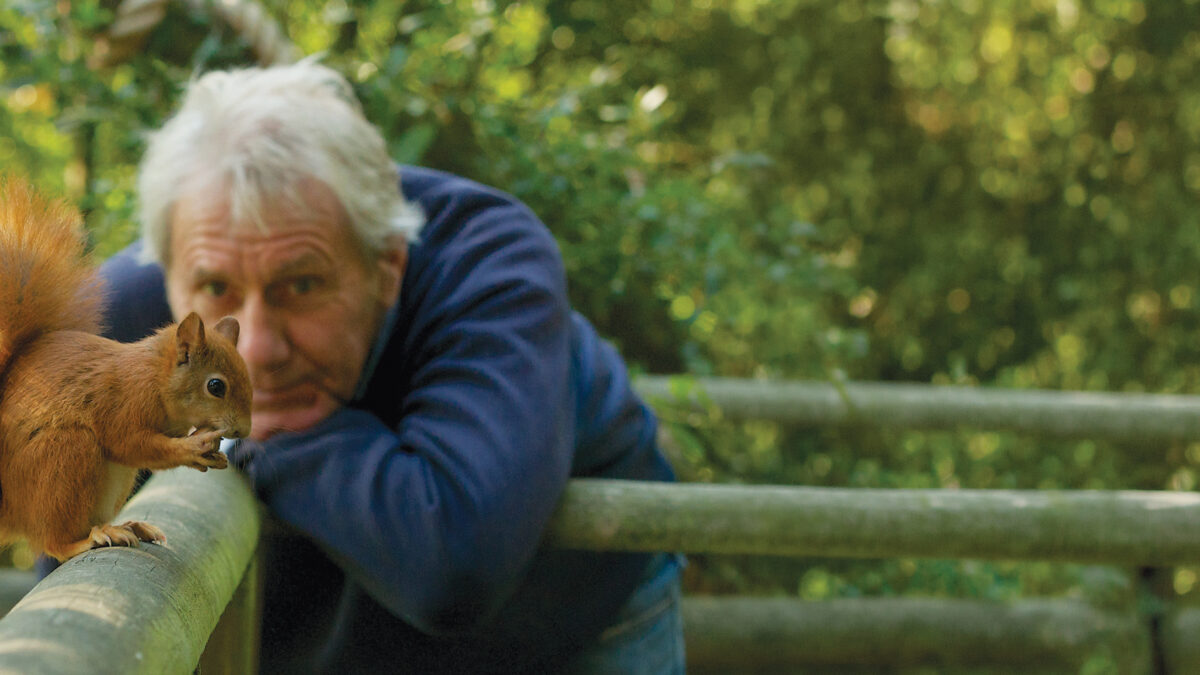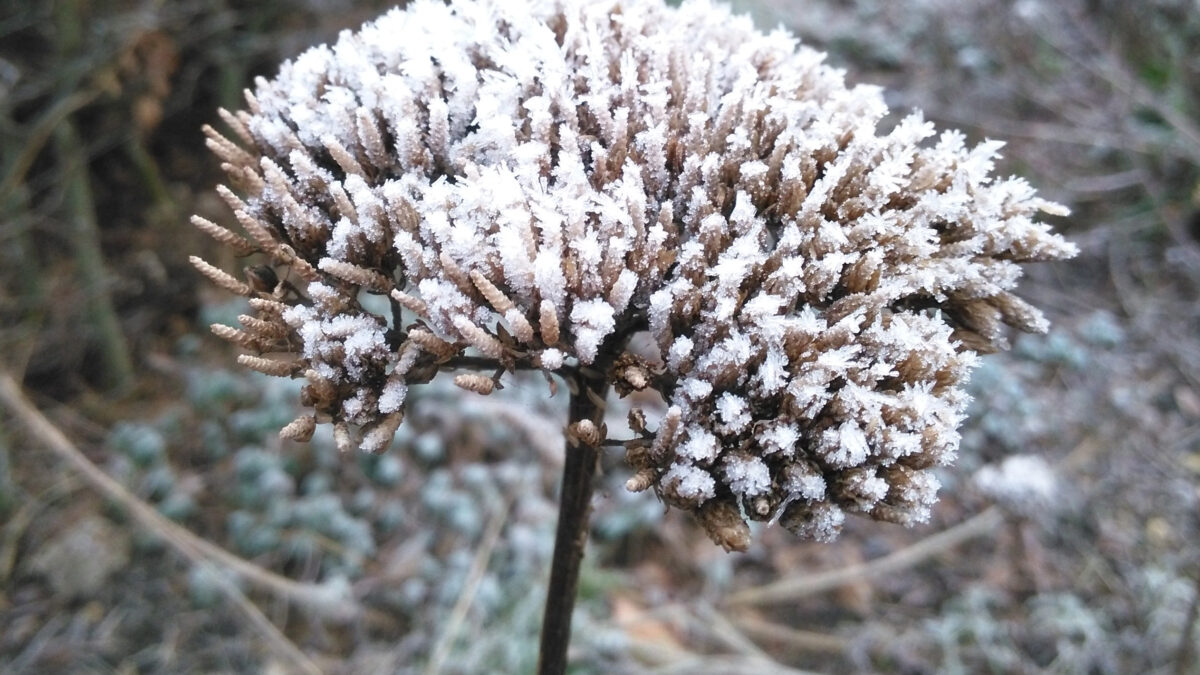
As temperatures drop, and conditions become damper and milder, weird and wonderful fungi begin to pop up everywhere, whether that’s in meadows, on logs, amongst the fallen leaves and even up the trees. If you’re heading out on a fungi walk this autumn, Wakehurst’s Core Teacher Lynn Clark shares top tips for making the most out of your adventure.
Come prepared
As woodlands are fungi hotspots, make sure you’re dressed for an autumnal exploration. Sturdy walking boots or wellies are essential, as woodland paths can be muddy or uneven after rain. Wearing layers and a waterproof jacket will help keep you comfortable whatever the weather, allowing you to focus on spotting fascinating fungi along the way.
Keep your eyes to the ground
Most fungi grow on the ground or on the lower parts of trees. It may be difficult to spot fungi at first, but once you’re tuned in, you’ll see them everywhere. Leaf litter and mulch are hotspots for saprophytic fungi, which get their energy from breaking down decaying organic material. Make sure you tread carefully!
Set yourself a challenge
Enhance your fungi walk with some extra challenges! Make a colour wheel and see if you can spot fungi in every colour of the rainbow, or select your five favourite fungi and see if you can find them all.
Expect the unexpected
Fungi come in a range of different shapes and sizes, varying from the stereotypical ‘mushroom’ structure you might know. Look out for the round shapes of puffball, the tentacle-like Devil’s fingers or flat Bracket fungi on tree trunks.
Try out an insect’s eye view
Fungi can be just as fascinating from underneath! To get the best view, and to stay safe, bring along a small handheld mirror to take a look at the hidden patterns and structures from the ground up.
See the unseen
The fruiting bodies of fungi on the ground are just the tip of the iceberg, and hint at a vast ecological network under the soil. Mycorrhizal fungi form symbiotic relationships with the trees around them, as the fungi feeds nutrients and water to the plants, in return it receives the sugars and energy compounds it needs from the tree.
…and most importantly
Leave the fungi be! Some fungi may be poisonous, and all fungi are fragile. Fungi also play a vital role in our ecosystems, whether that’s helping plants to access nutrients and water from the soil, or even storing carbon in the ground. Leaving them untouched helps our habitats to thrive.