All of us, at some point in our lives, experience loss – and yet few know how to talk about it. St Catherine’s Hospice bereavement lead Cecilie Sasu and RH local Bob explain what grief can look like – and how life grows around it.
A recent survey suggests that 86% of the national population aged over 16 has experienced loss. It’s an overwhelming figure – and one that shows we are as much connected by joy, as we are by our grief.
Finding the words to talk about loss, seeking those who can share similar experiences, or just grappling with the idea that life has fundamentally changed are all part of the process of beginning to rebuild. And yet, knowing where and how to start can feel like an insurmountable task, at a time of such significant vulnerability.
In the eyes of Cecilie, bereavement and counselling lead at St Catherine’s, the first step is often understanding that grief isn’t on a timeline. ‘‘You don’t ever get over grief. You learn to live with it. You integrate that loss into your life, and you grow around it.’’
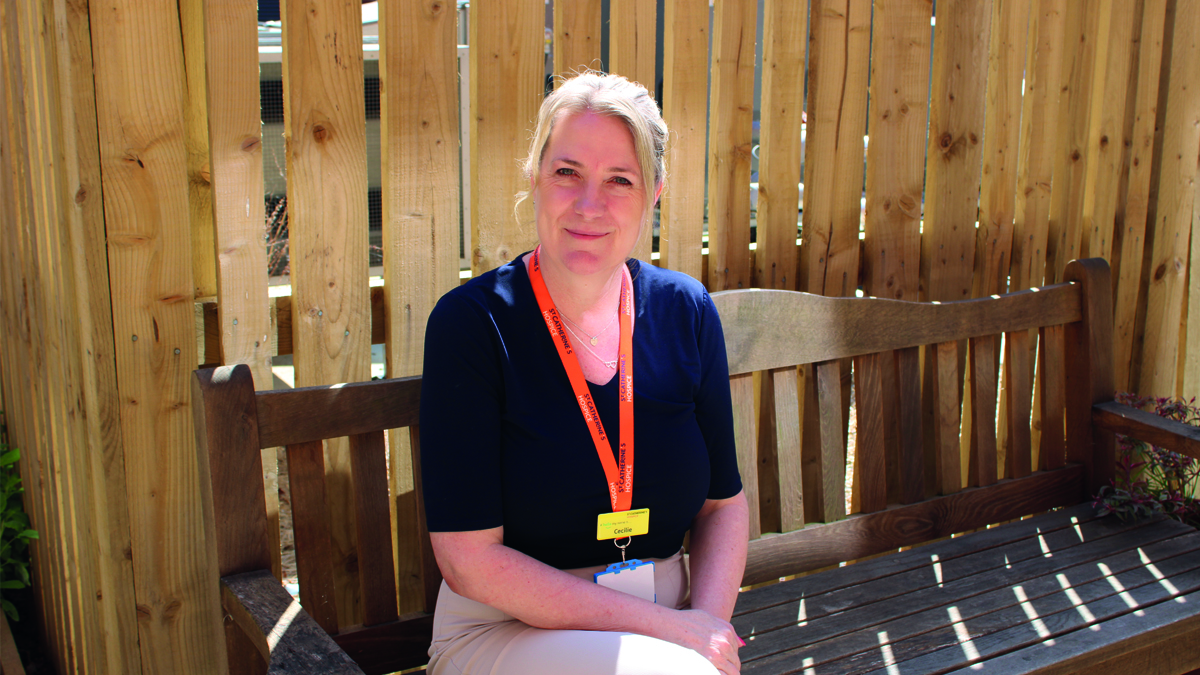
Loss can trigger many things; shifts in routines, new demands, and changing environments. ‘‘People can be thrown into situations where they have to do things they never had to do before, because the person that did it is no longer here,’’ says Cecilie. Part of the grieving process is understanding what these changes are, and how they can form part of a new phase of life.
Grief can also provoke complex memories and feelings – and there can be a frustration in the lack of a physicalised resolution, as well as guilt in carrying those feelings in the first place. ‘‘That’s often missing in a lot of the material that we read out about grief. There’s this assumption that ‘someone close to you died – you must be so sad’. That sadness might be part of it, but it could be lots of other feelings as well.’’
Many of us will be familiar with the ‘five stages of grief’, first introduced by Swiss-American psychiatrist Elisabeth Kübler-Ross in 1969, inspired by her work with terminally ill patients. First, is denial. Then anger, bargaining, depression, and finally – acceptance. In Cecilie’s experience, this last stage can often be the most complex to work through. ‘‘There’s no sort of set way of approaching this, though, as this depends on the person. It’s really about giving them space to just feel what they’re feeling, and allowing that to happen’’.
Bob’s story
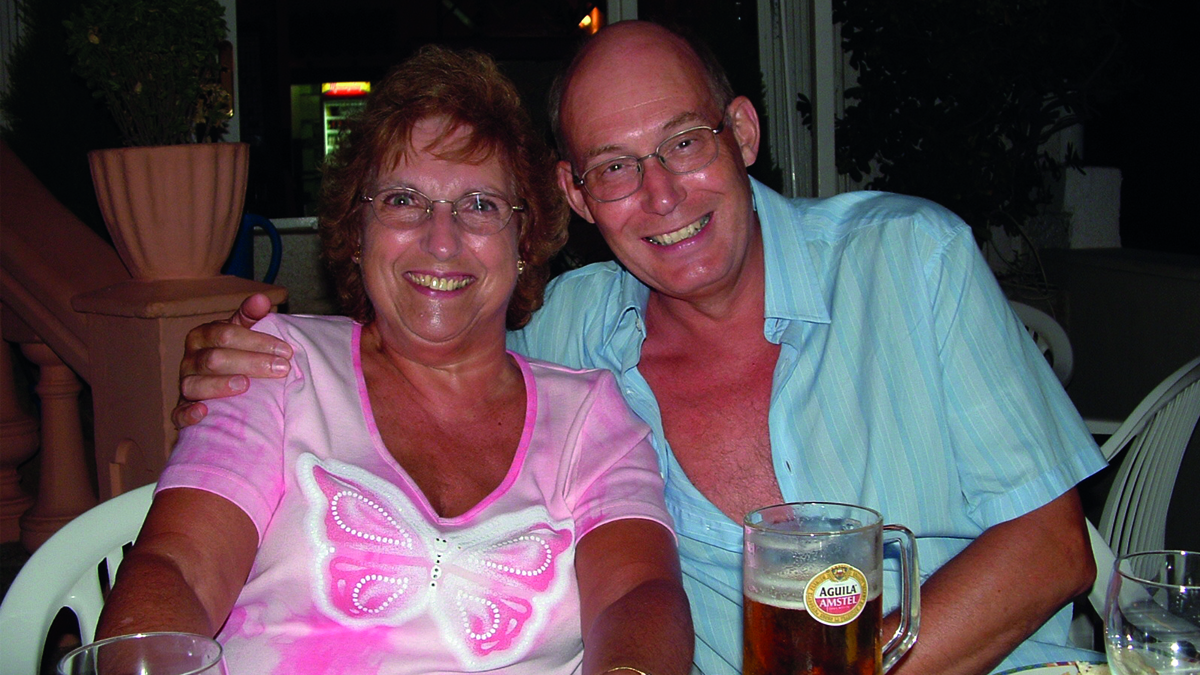
After caring for his wife Heather at the end of her life with support from St Catherine’s Hospice, Crawley resident Bob was invited to the hospice’s own bereavement support sessions – and was able to process and grieve his loss alongside others with similar stories.
‘‘It put everything into perspective. It was very comforting to understand the grief process and helped me see it in a different light. As the counsellor said, grief is the cost of love. And we were in love for nearly 70 years.’’
Now, Bob keeps an image laminated in his wallet taken from one of the sessions – ‘it’s an image that shows, that while people think grief might shrink over time, it’s actually your life which grows around it. Seven months on, I can see that that is the case.’
Part of the approach of counselling at St Catherine’s is about reshaping the definition of what grief is. Many people, says Cecilie, feel an expectation that grief will shrink with time. In reality, your life ‘grows around it’. ‘‘We help people to understand that grief doesn’t get smaller – your life gets bigger’’. This is all built into the concept of acceptance – the process of reframing your existence in a way that allows you connect with your loss without being overwhelmed by it. Allowing it to sit at the table, while leaving space for all the other feelings that are a part of daily life.
“A big part of our job is to witness’’, says Cecilie. ‘‘People feel very alone in their loss, and they think they’re the only one. Our role is to remind them that they can feel these feelings; that they have these behaviours, and to help them realise that each journey of bereavement is unique.’’
And what does healing from loss look like? ‘‘Maybe a little bit of lightness is coming into their life in different ways. Maybe they’ve taken up some new hobbies or interests or doing some new things. Maybe they met some new people through our support groups or other places. The loss, first, can make you feel as if the whole world is falling apart. Our job is to help them rebuild, one step at a time.’’