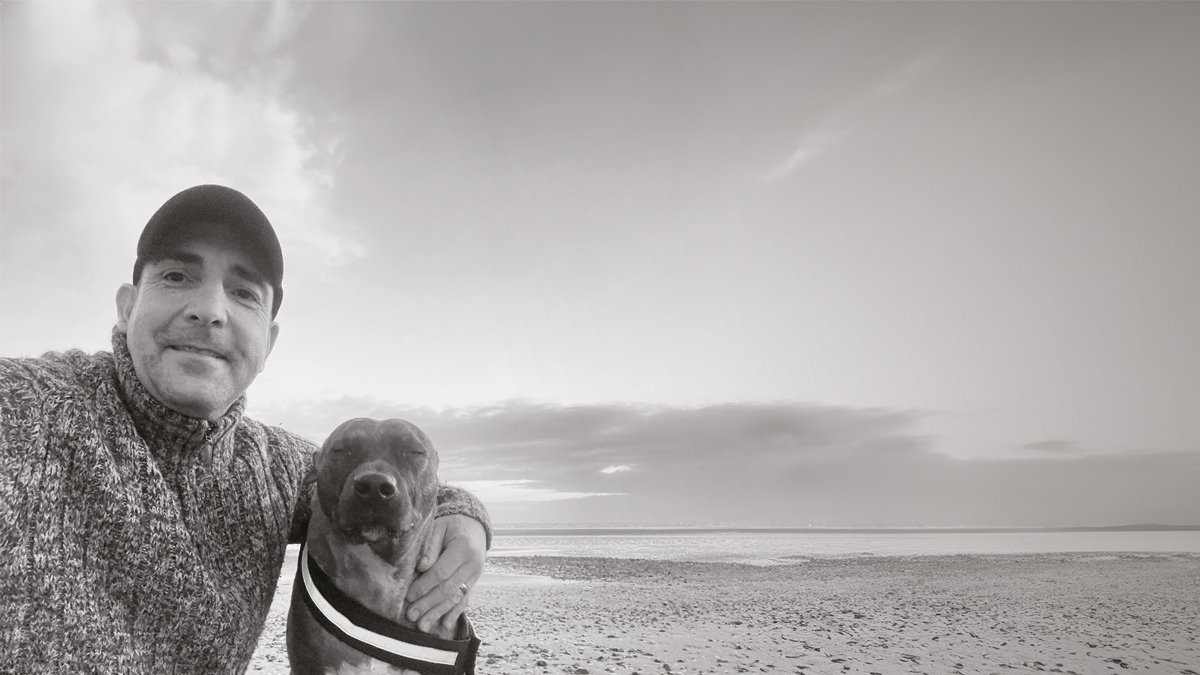
Two RH locals speak on how they’re challenging the stigma around men’s mental health, one conversation at a time.
You might notice a change this November – particularly if you’re sharp-eyed when it comes to appearance. Each year, hundreds of thousands of men kick off the month by sporting a moustache. This is the effect of Movember, a charity that cites itself as a ‘global movement’, aiming to raise awareness and funds for life-saving men’s health programmes and research.
Movember has been going, now, for over twenty years. It provides support to cancers specific to men (prostate, testicular), but increasingly, is concerned with what it terms as ‘mental fitness’ – or in other words, the health of your head.
Recent stats say that around 1 in 8 men (12.5%) have a common mental health disorder, compared with roughly 1 in 4 women. Men are significantly less likely to seek help for mental health problems; with 35% of 18–25-year-olds with emotional difficulties seeking no formal or informal support. This, says research, is due to ‘perceived stigma’ – cited by 22% of men as the biggest barrier to accessing mental health care. Suicide is the leading cause of death for men under the age of 50 in the UK – with a rate of 17.6 per 100,000. approximately 3 times the female equivalent of 5.7 per 100,000.
What causes this imbalance? In the eyes of Sean Orr, CEO and founder of local listening group Menshare, ‘there’s two factors that men basically run on: grief and anger.’ These impulses, says Sean, are always in the background – life is hard, relationships go sour; in the words of The Breakfast Club’s John Bender, ‘screws fall out all the time, the world’s an imperfect place’. But for some, these feelings can come to define their existence – which can then be the seed for a crisis.
‘‘Men often don’t feel heard or seen – we’re taught not to show emotion, and to talk in a certain way’’. In the Menshare circles, which have the motto ‘just being heard’, Sean regularly witnesses the unfolding of complex societal values and beliefs, that are then challenged by the group leaders. The group often performs roleplays, where an individual uses language to present its impact, when you’re on the listening side. ‘‘We ask them – how does that feel? They tell us: it doesn’t feel good’’.
It’s a challenging task that demands change from both sides. It asks the men in attendance to make themselves vulnerable, perhaps in a way that some of them have never experienced, while coming to terms with the patterns of their own behaviours and choices. Empathy and accountability.
Jeremy ‘Jez’ Dutfield, the owner of Brunchies Sandwich Bar in Burgess Hill, shares a similar view to Sean. ‘‘The biggest problems that us men have with regards to addressing our mental health, is that that we’re very proud creatures. We put on a coat of armour to protect our partners, our wives, our husbands. It’s a bit of a cliche, and it’s been said before. But do you know what? It’s okay to not be okay.’’ While Sean has a long history – over 15 years – of having worked in men’s mental health, Jez had an abrupt entry into the community, around six years ago. Within the space of a few months, he lost his brother to suicide, both parents passed away, and he was diagnosed with prostate cancer. ‘‘It smashed me to pieces. I hit rock bottom, and I found myself in some pretty dark places.’’ At the time, Jez worked as a subcontractor with Surrey Fire and Rescue Service, and his manager organised counselling, which, says Jez, totally shifted his views on the importance of mental health. On the day of his brother’s birthday in 2024, Jez and 18 colleagues walked 40 miles – from Purley Fire Station to a pub near Brighton Pier, wearing full gear – helmets, breathing apparatus, and tanks. It took sixteen hours, and the team raised £12,000 for The Fire Fighters Charity.
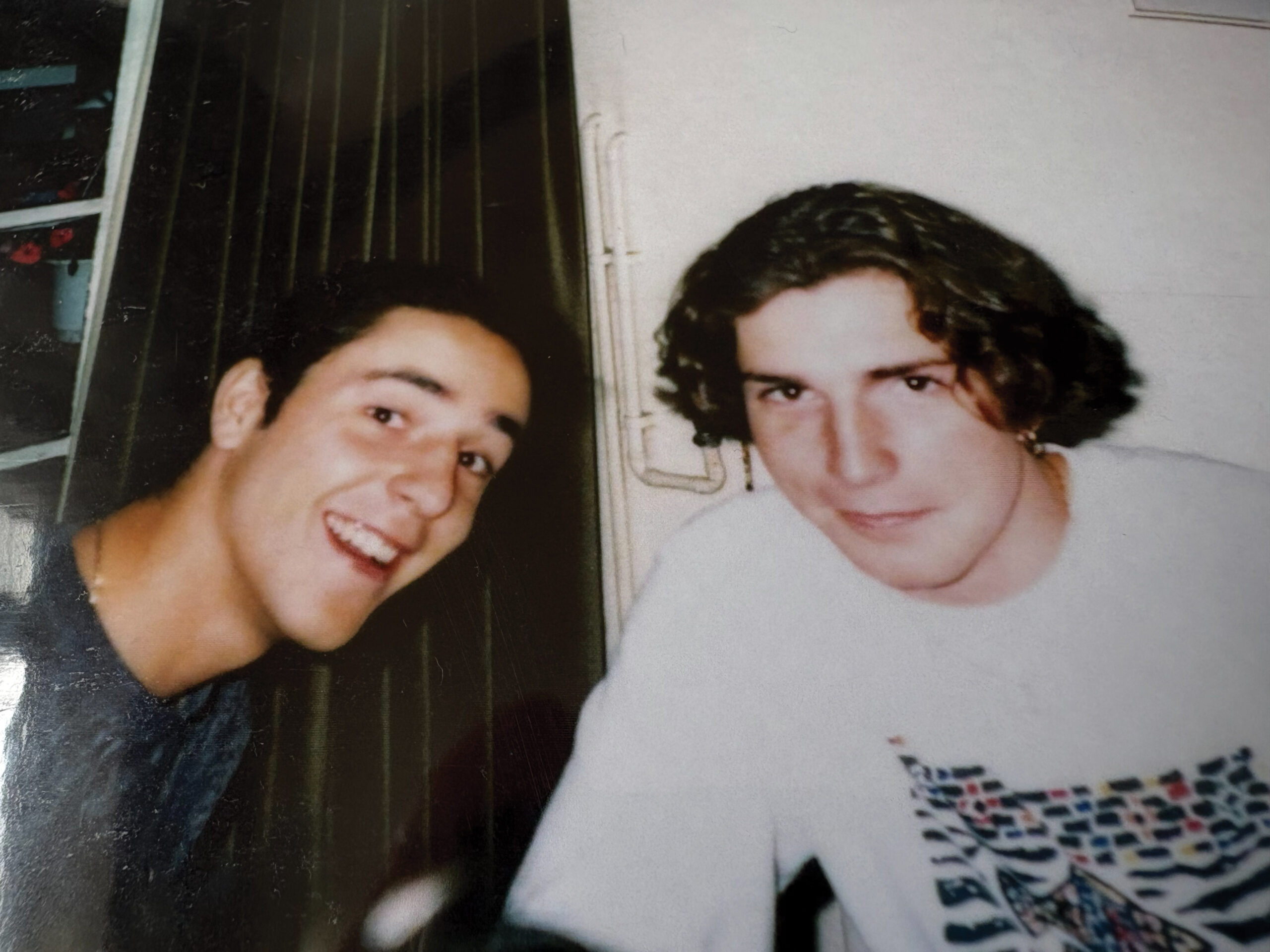
In the present, Jez now focuses on the smaller, everyday ways to make an impact. ‘‘Since owning the sandwich bar, I’ve got so many customers that come in and just want to offload.’’ On the day of our interview, Jez tells me in a quieter hour at the bar, he sat down with a customer who had recently experienced suicidal thoughts, and ‘had a cup of tea and a chat’ – an act, he terms, as a ‘privilege’.
What does effective mental health support look like, in the eyes of Jez and Sean? For Sean, it’s about helping people ‘let go of what no longer serves them’. On multiple occasions, group attendees have gone on to become group leaders – mentoring others in crisis from a point of complete understanding. ‘‘It’s transformational, what that can do’’, says Sean. ‘‘And the hope is -they’re then able to give back’’. In Jez’s eyes – it’s driving one message home, again and again: ‘‘No matter how bad life seems, there is always a solution. It might not seem it at the time, but there will always be someone to share it with. Whether it’s just that bloke over there on that park bench or that person on the bus next to you, there is always someone that will listen.’’
Men’s mental health support in the RH area
MENSHARE Listening Group
mensharelisteninggroup.co.uk | 07508 336995 | letsTalk@mslg.org
Volunteer-run listening circles for men aged 18+. Each one meets weekly, 7–9pm
Andy’s Man Club
andysmanclub.co.uk/groups | Facebook: Andys Man Club
Free, peer-led talking groups for men aged 18+, every Monday at 7pm (except bank holidays).